Description
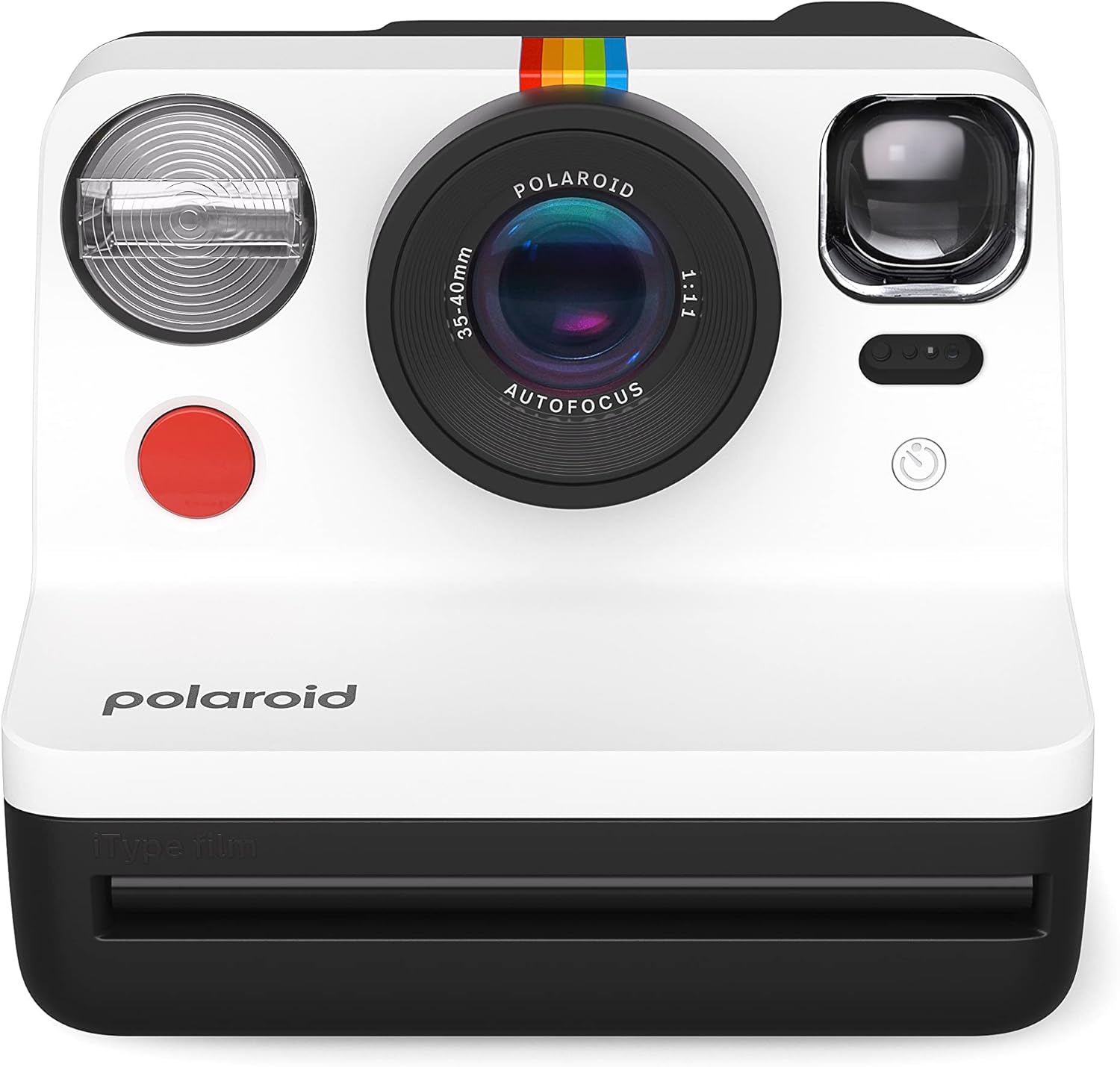
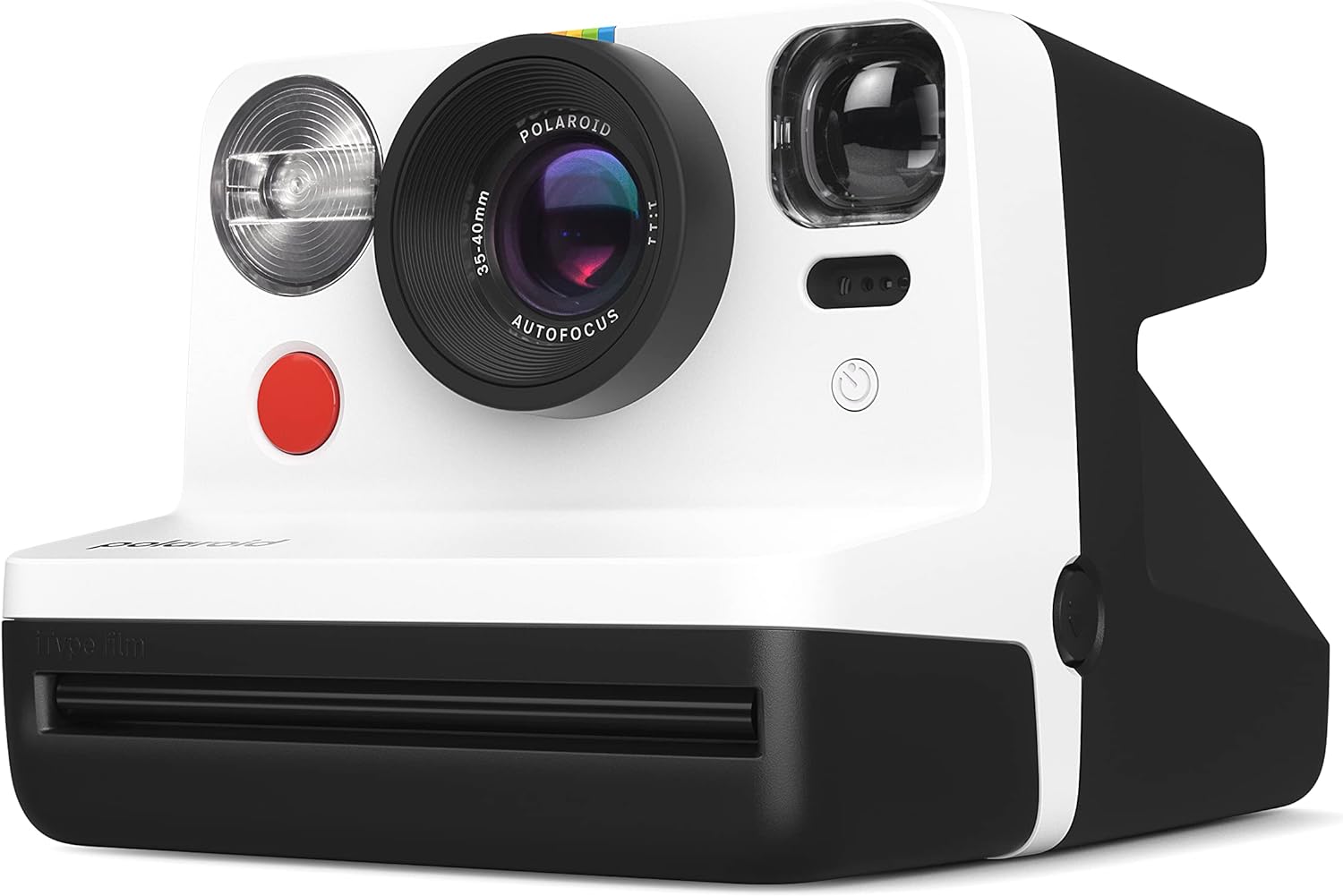
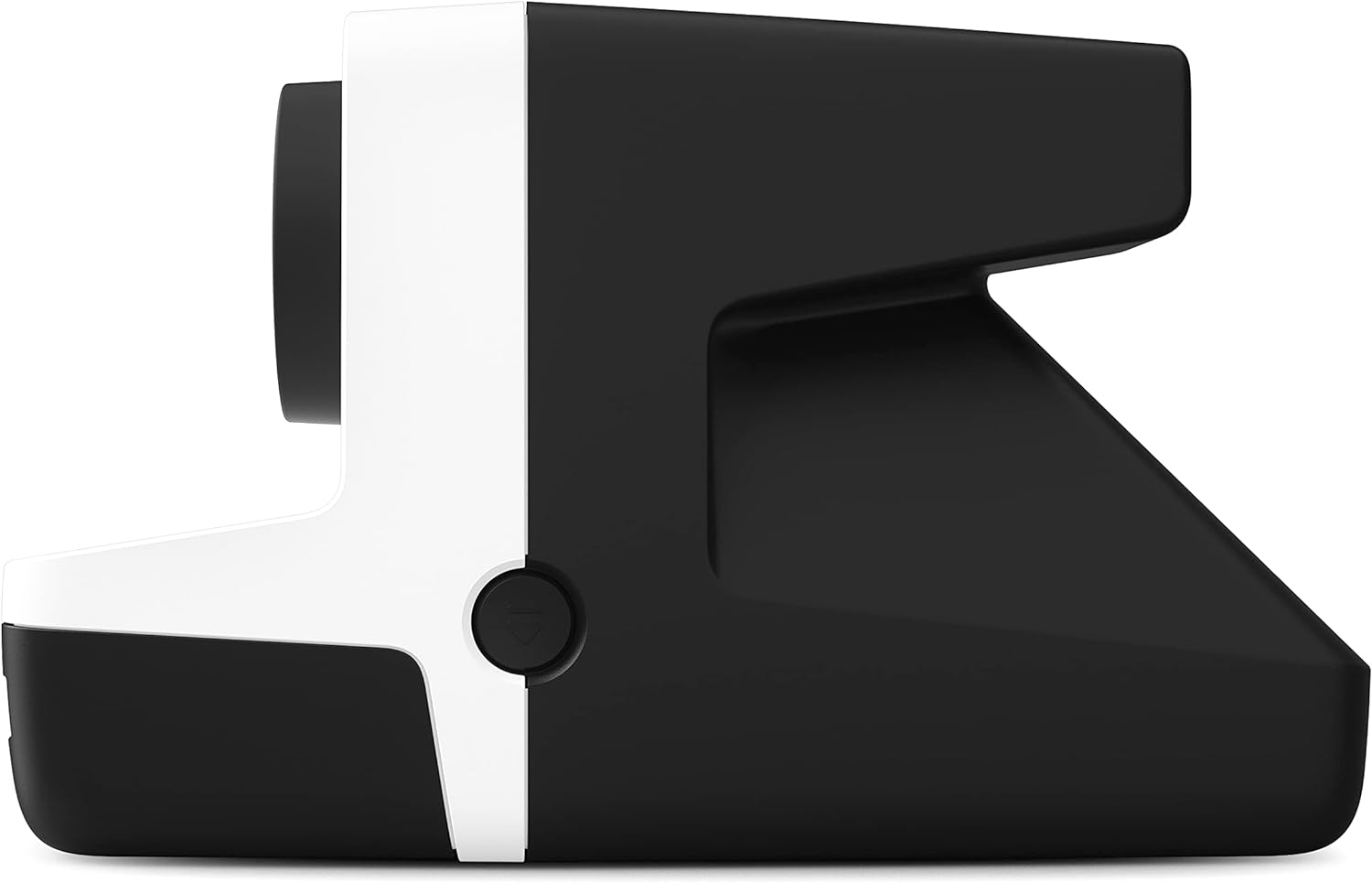
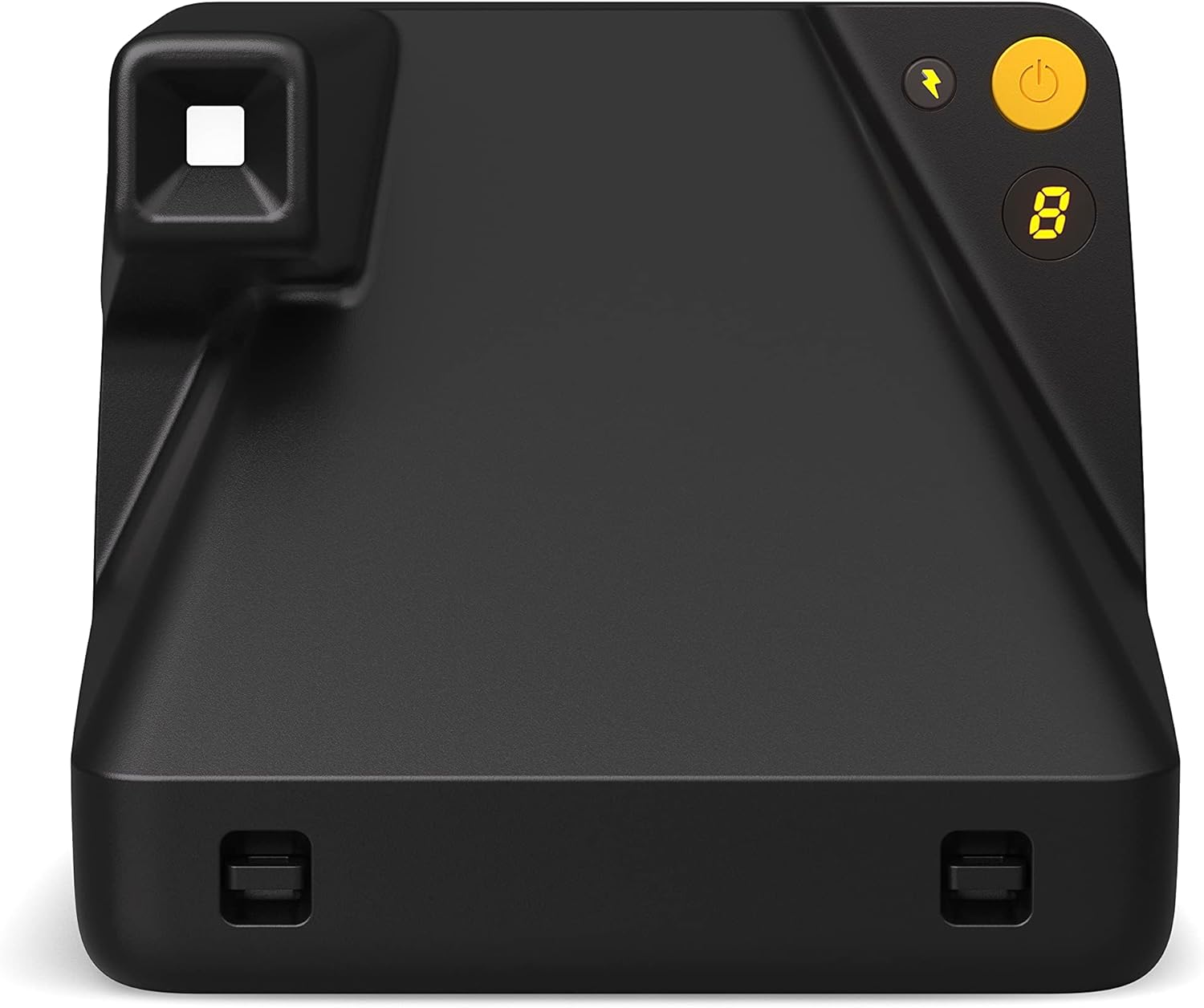
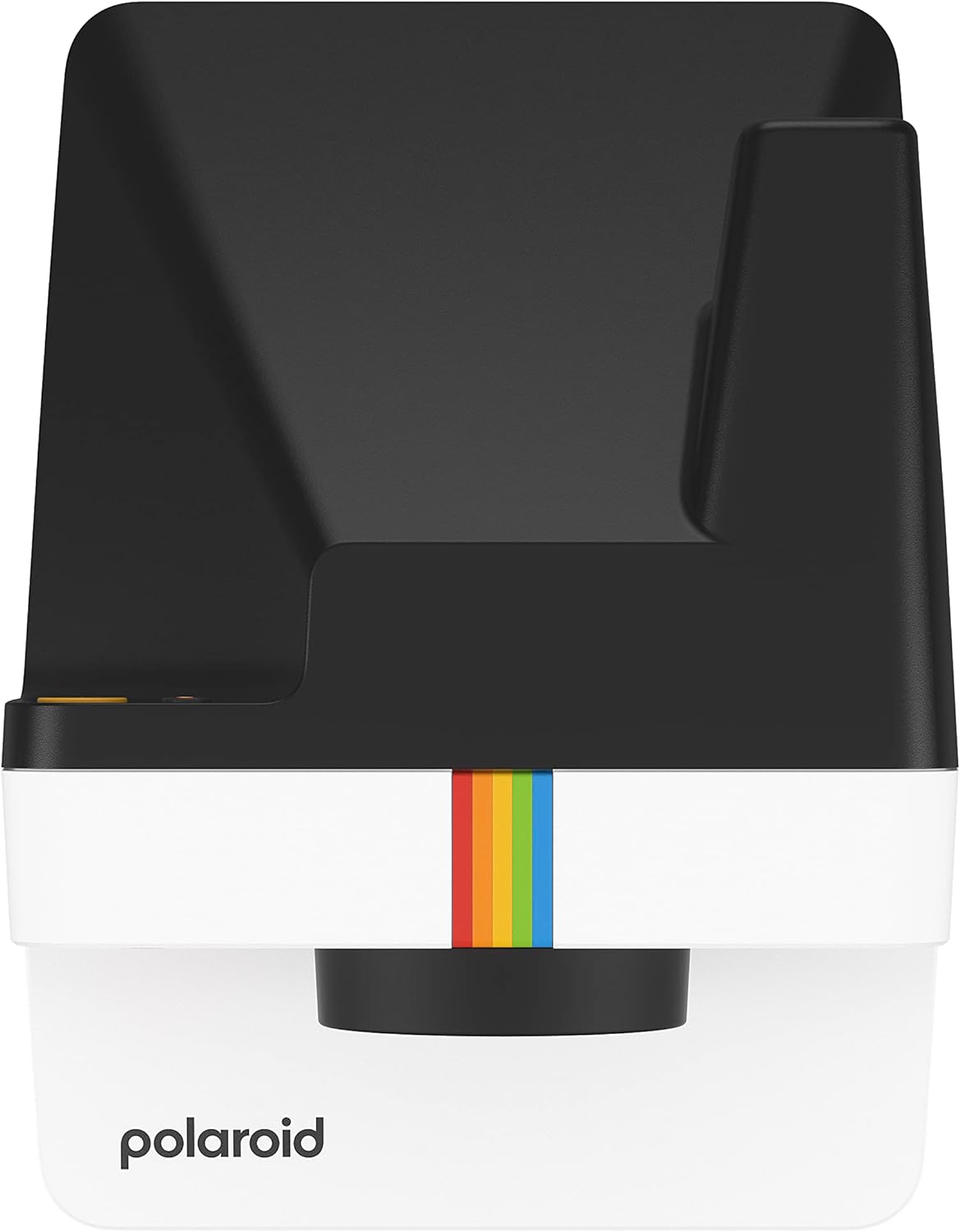
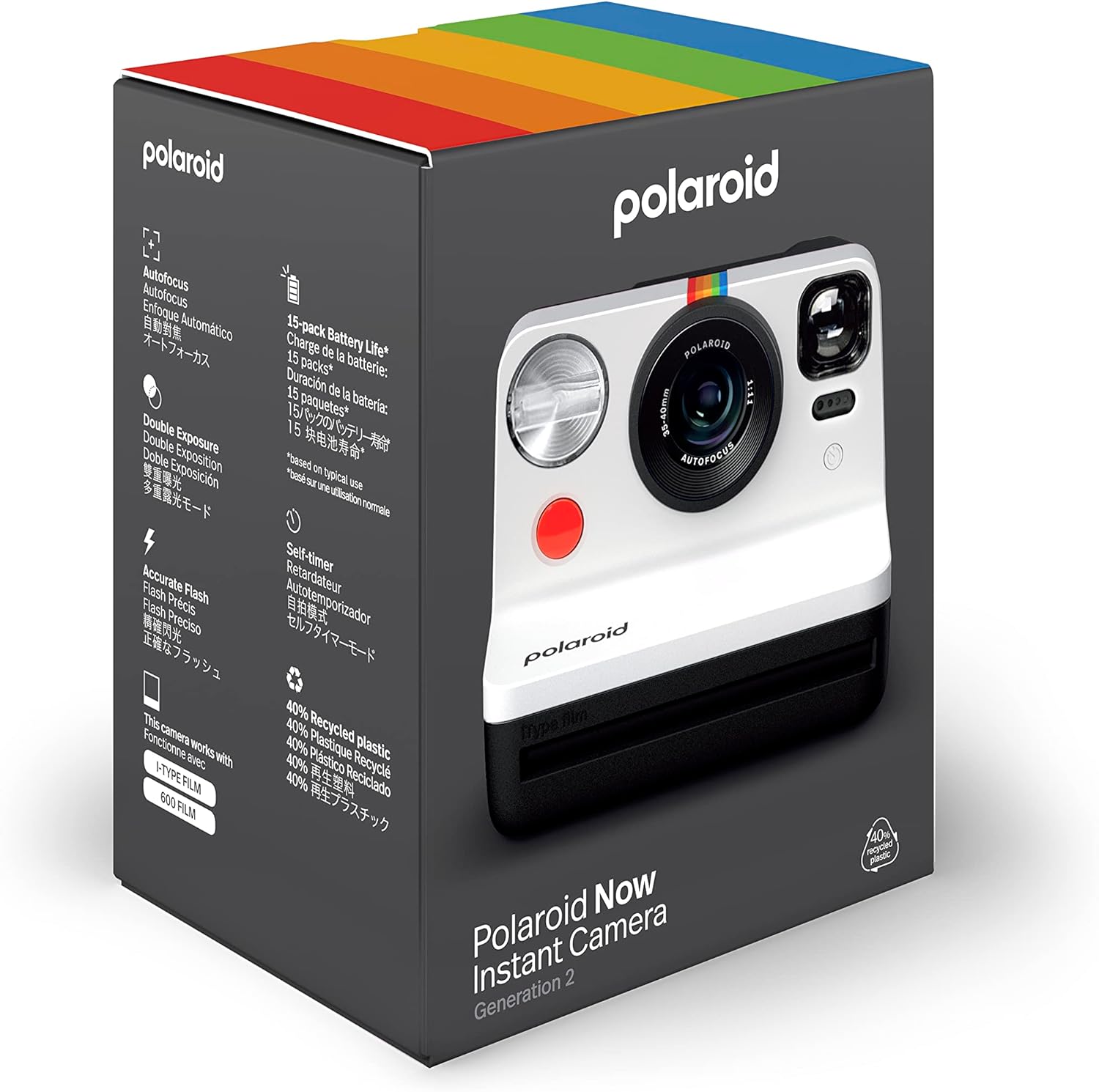
The second–generation Polaroid Now is still a true analog camera with a square photo format. The main differences from the first one are improved, sharper optics, as well as a 40% recycled plastic case. Instead of a USB Micro B socket, a modern USB Type C port is now used for charging. There are no other differences: the camera looks and controls exactly the same. According to unofficial information (reviews from the first users), the second generation does not have the problem of overexposure of images, which was quite common earlier: a new light sensor is probably used.
The Polaroid Now camera uses an autofocus system and two built-in lenses, which are used depending on the distance to the subject (determined automatically using the built-in rangefinder). One lens focuses on nearby objects (from 55 cm to 1.3 m), the second on distant objects (from 0.6 m to infinity). Flash control is automatic, intelligent: the camera adjusts the pulse power depending on the light level and shooting distance. The flash can also be turned off for shooting in natural light. For self-portraits with friends, a self-timer is useful, and double exposure allows you to creatively overlay one image on another. The camera also has an exposure compensation mode (+/- 1/2 EV).
Cassettes: Polaroid Now can use i-Type and 600 cartridges. The main difference between the i-Type is the absence of a built–in battery, which is no longer necessary, since the camera has its own lithium-ion battery. Due to this, i-Type cartridges are slightly cheaper. To protect the image from being illuminated, the camera has a special plastic screen that slides out with the photo, protecting it from light in the first seconds after the picture is taken. For the best quality of development, it is recommended to hold the card in this position for a few seconds, and then pull it out and put it face down for the entire duration of development (depending on the type of paper indicated on the package). This will provide the image with the highest contrast and color saturation. No need to wave the card during the development process – this will not speed up the process, and the photo may turn out to be faded.
 All products Polaroid